Oil Tank Services In Gloucestershire
For Rural Homes. For Working Properties.
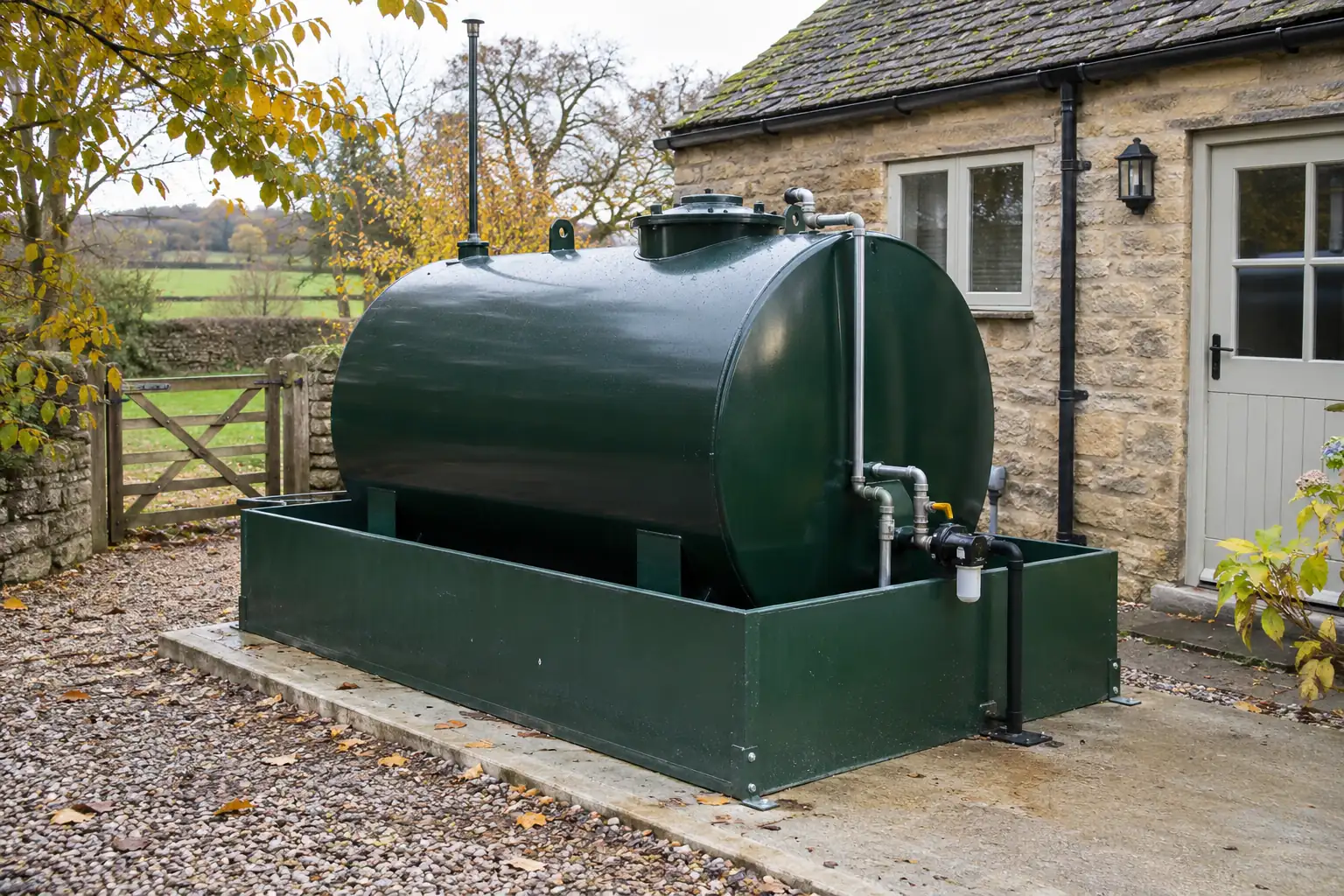
A Tank That Fits The Way You Live.
Replacement, removal and practical oil storage advice, from garden access to the oil left inside.
Discuss Your TankStart With The Property, Not Just The Tank.
Oil heating can be a practical part of life in Gloucestershire's rural homes. Replacing the tank means thinking about more than its capacity: a narrow garden gate, a stone boundary wall or a long route from the road can change how work is organised. The condition of the base and the amount of oil still inside matter too.
Gloucestershire Oil Tank Services helps you set out the work needed and request a quotation from a suitable service provider. We cover enquiries for domestic heating oil storage as well as commercial tanks, with guidance that separates routine maintenance, planned replacement and problems that need prompt attention.
Six Ways To Put Your Tank In Order.
Choose the guide closest to your situation. Each explains the decisions, preparation and scope to discuss before booking.
- 01Oil Tank Removal
Clear a redundant tank, recover remaining fuel and agree what happens to the base.
- 02Oil Tank Replacement
Choose a suitable new tank and coordinate access, fuel transfer and heating downtime.
- 03Oil Tank Installation
Plan a new storage position, support, fuel route and compliance from the beginning.
- 04Oil Tank Cleaning
Investigate water and residue, with a defined cleaning method and fuel-handling plan.
- 05Underground Oil Tanks
Assess a buried vessel, environmental risks and removal or decommissioning options.
- 06Leaking Oil Tanks
Recognise a possible leak, find reporting guidance and separate recovery from restoration.
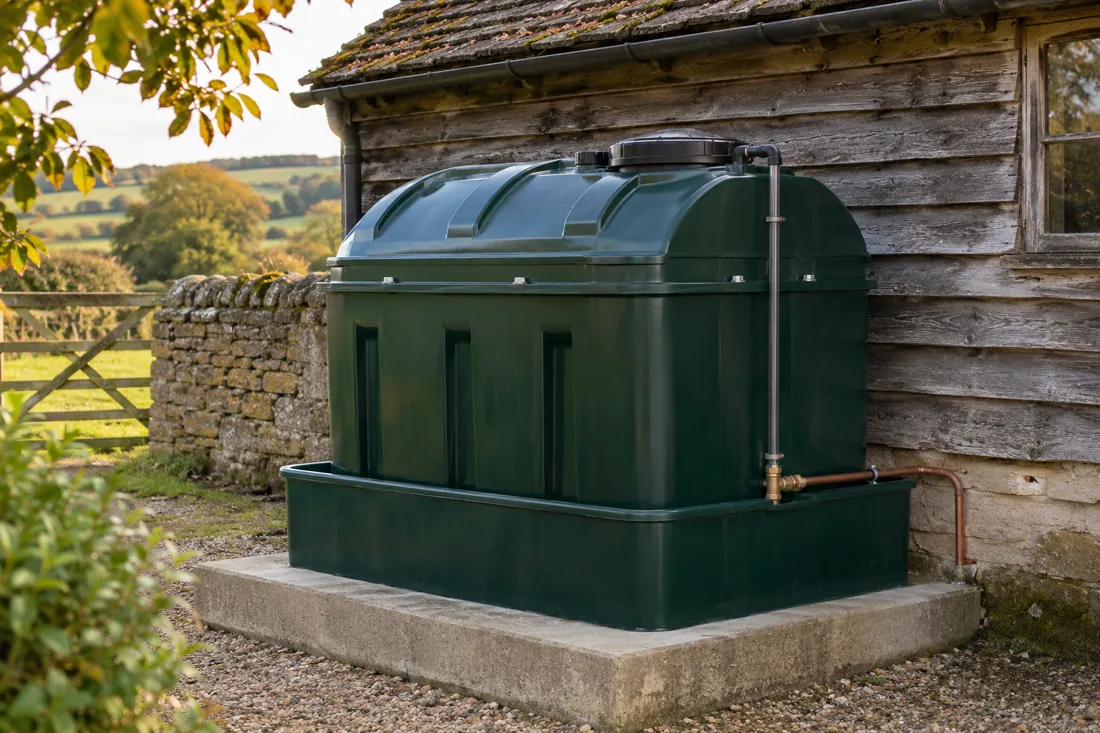
The Oil You Keep. The Base You Stand On.
A tank swap can involve several linked decisions. Suitable remaining fuel may be recovered, but settled water and sludge should not be carried into a new vessel. Existing supports need checking against the replacement model, even if the capacity stays similar.
For a home, ask how the installation will meet Building Regulations and what handover records you will receive. For a farm or business, explain exactly what the tank supplies because the use affects the requirements. Our replacement guide sets out those questions without assuming the old arrangement should simply be copied.
Read The Replacement GuideStone Walls, Side Gates And Country Lanes.
The Cotswolds' limestone buildings and dry stone boundaries are part of its distinctive character, described by National Landscapes. For tank work, the practical question is how equipment reaches the property without assuming a boundary can be altered.
We consider enquiries around Gloucester, Cheltenham, Cirencester and Stroud, across the northern Cotswold towns and towards the Forest of Dean. Tell us about gradients, shared drives, soft ground, nearby water and any conservation restrictions. Coverage and the proposed method are confirmed for the individual job.
Explore County Coverage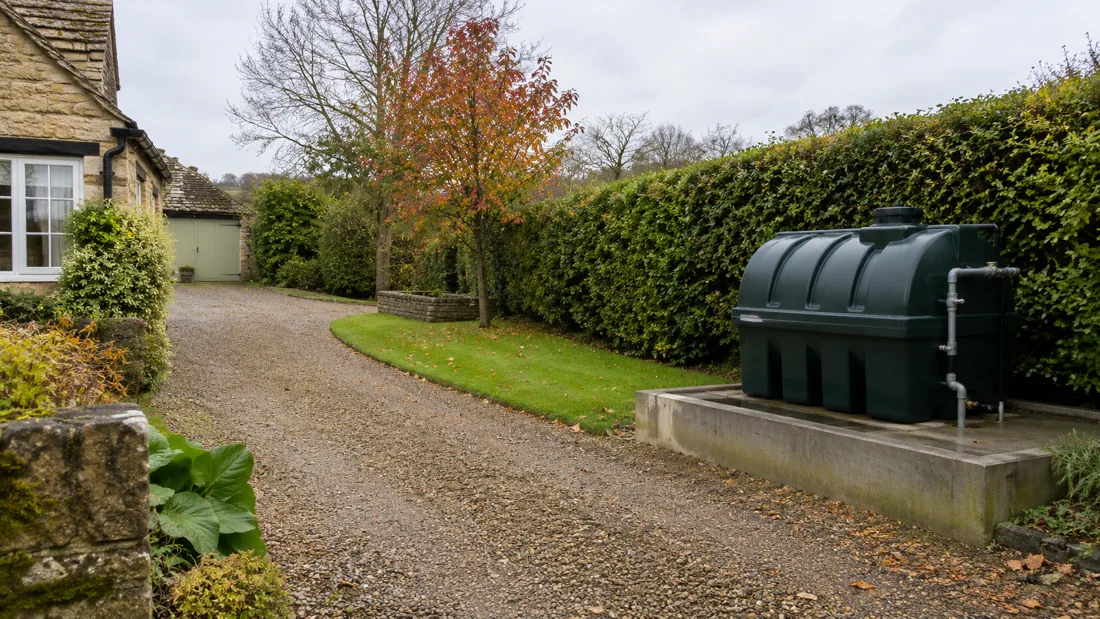
Make The First Conversation Useful.
Describe The Problem
Send your postcode, tank type, what prompted the enquiry and an approximate fuel level. Say if heating or another supply must stay available.
Establish The Scope
A suitable provider can review the details, request photographs or arrange an assessment where needed. Access, fuel handling and any ground works should be considered together.
Agree Before Booking
Check the written quotation covers the tank work, waste, connections and intended finish. Ask which records apply and how additional findings will be handled.
Questions Before You Book
Do I Need A Replacement Or A Clean?
A replacement addresses a tank that is unsuitable or damaged, while a clean addresses contamination inside a serviceable vessel. The right choice depends on the tank condition, fuel and installation. Tell us what prompted the enquiry and share any inspection findings so cleaning is not mistaken for a solution to structural damage.
Can You Help With A Rural Property?
Rural property tank enquiries benefit from a careful description of the route from the road to the tank. Narrow gates, stone walls, slopes and shared drives can affect equipment and handling. Include your postcode and access details so a suitable provider can assess the location and confirm whether the work can be arranged.
Tell Us What Is Happening With Your Tank.
You do not need a technical specification to start. A short account of the problem and the property is enough for an initial enquiry.
We ask for your agreement before sharing details with a suitable provider. Sending this form does not commit you to work.
Suspect A Leak?
Do not wait for a form reply about an active spill. Read our leaking tank guidance and use the official reporting route where pollution is occurring or threatened.