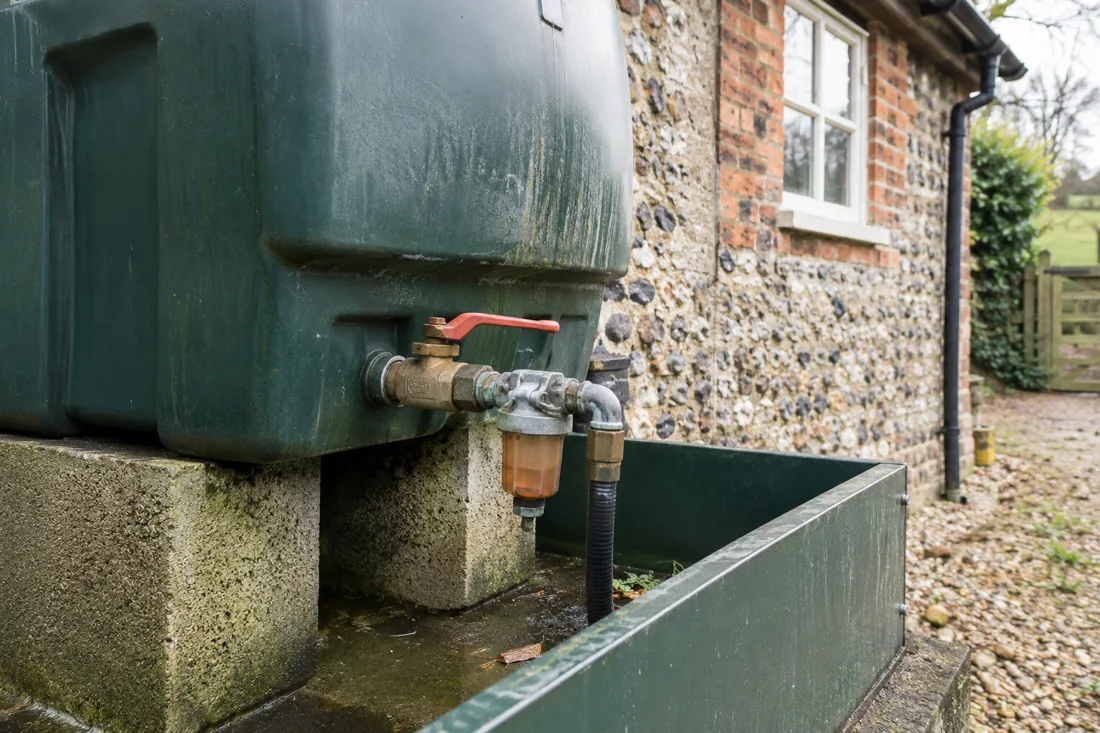
Treat An Active Leak Differently
A tank that is actively losing oil should not wait in an ordinary quotation queue. Keep people and pets away from affected ground and avoid contact with the fuel. Do not attempt repairs, enter a tank or use equipment near escaping oil that could introduce an ignition hazard.
This website's enquiry form is not an emergency response channel and does not confirm attendance. If pollution is occurring or threatened, use the official GOV.UK environmental reporting route. Notify your insurer promptly and follow its instructions about arranging specialist help, particularly before major clean-up work is authorised.
Signs That Need Investigating
A strong or persistent oil smell, staining beneath a tank and an unexplained fall in fuel level can indicate a leak. Cracks, distortion, corrosion and damaged supports are also reasons for concern. A problem may involve a valve, joint or buried supply line rather than the tank body itself.
A heating fault or low gauge reading alone cannot locate a leak. Record what you noticed and when, along with the last delivery and any recent work. Take photographs only from a safe position and avoid walking across contaminated ground to get a better view.
Keep Oil Away From Water Routes
Drains, ditches, streams and private water supplies matter because escaped fuel can move beyond the visible patch. Mention them when reporting the incident or speaking to a specialist. Oil on hard paving may travel differently from oil soaking into a garden bed, so describe the surface as well as the apparent spill.
Never wash oil away with water or detergent. Do not dig out soil or move contaminated materials before getting appropriate advice. If there is an immediate danger to people, use the emergency services rather than waiting for an email enquiry to be read.
The First Specialist Assessment
The attending contractor needs to identify the likely source, assess how to prevent further escape and consider recovery of the fuel still in the system. Temporary containment and suitable storage may be part of the response. The method depends on the condition of the equipment and what can be done safely at the property.
Access information helps: vehicle standing, gate width, steps, hose route and the location of the tank relative to buildings. For commercial premises, make the responsible manager aware and provide the relevant site information. Do not restart equipment or arrange another fuel delivery until the storage issue has been assessed.
Tank Damage And Affected Land Are Separate
Stopping the source does not establish where the escaped oil has gone. The specialist may recommend investigation of soil, drains or groundwater, depending on the incident. Visible staining can help identify a concern, but clean-looking paving does not prove that no oil has reached the ground beneath it.
Discuss environmental investigation with the insurer and relevant advisers. Removing contaminated material, checking the extent of impact and agreeing a suitable restoration approach can involve work beyond removing the damaged tank. The quotation and records should make those boundaries clear.
Restoring The Fuel Supply
The assessment will inform whether a component can be repaired or the tank should be replaced. A structurally damaged plastic vessel generally calls for replacement rather than a surface patch. The condition of steel tanks and pipework needs a specific judgement, particularly where corrosion or a hidden line is involved.
A temporary supply may be possible while permanent work is organised, subject to a suitable location and separate agreement. Discuss heating needs, vulnerable occupants and commercial operating requirements at the start. Read the replacement guide for the base, fuel transfer and compliance questions that follow.
Evidence, Costs And Follow-Up
Keep delivery records, gauge readings, inspection reports and safe photographs. Note who you contacted and the advice given. Ask the contractor to record the work completed, recovered liquids, waste removed and any further recommendations, with the appropriate documentation for the actual waste streams.
Costs depend on containment, recovery, storage, tank work and the extent of affected ground or drainage. Investigation and remediation can become separate phases, so ask how additional scope will be agreed. Insurance cover depends on the policy and circumstances, and should not be assumed from the fact that a tank is insured.
For a non-emergency follow-up enquiry, provide the postcode, date first noticed, current status and any insurer reference you are comfortable sharing. Do not include sensitive policy documents in the initial message. A concise description helps route the enquiry to a suitable service provider for the next stage.
Questions Before You Book
Should I Use The Form For An Active Leak?
An active oil leak needs prompt reporting and specialist help, so do not rely on this enquiry form for an emergency response. Use the official environmental reporting route where pollution is occurring or threatened, and contact your insurer. The form is suitable for follow-up enquiries but does not book attendance or confirm an arrival time.
Can I Keep Using A Leaking Tank?
A leaking oil tank needs assessment before continued use or another delivery is considered. Adding more fuel can increase the amount at risk and make recovery harder. Tell the specialist what the tank supplies and whether heating is essential, so a safe interruption or suitable temporary arrangement can be considered for the property.
Describe The Work You Have In Mind
A postcode, tank details and an honest picture of the access make a useful starting point. If photographs are needed, the responding provider can agree how to receive them.
Request A Quote