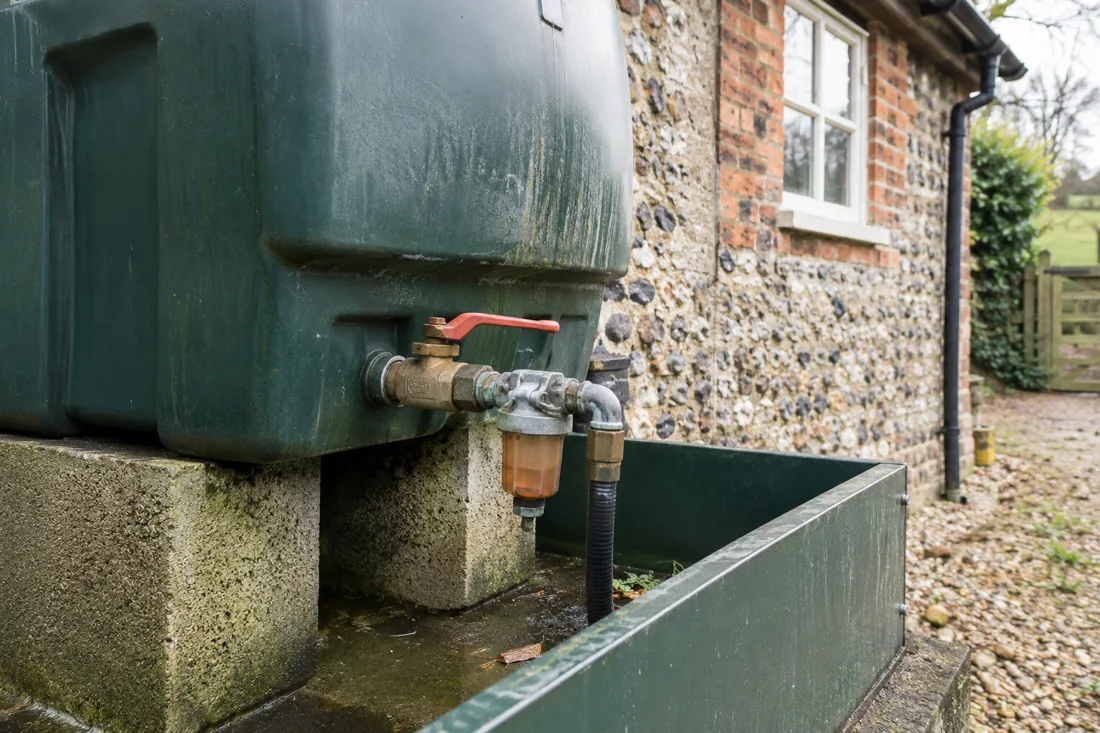
Start With What The Tank Will Supply
A new tank for an oil-heated home needs to match the appliances, expected use and practical delivery arrangements. Commercial installations can serve heating, generators or dispensing systems, each with different operational requirements. Describe the intended use clearly rather than choosing solely by tank capacity.
If a storage system already exists, consider our replacement service guide as well. A new installation may involve creating a base and a fuel route from scratch. That is a different scope from delivering an unconnected tank to the property.
Choosing A Position That Remains Usable
The selected location must work for routine filling, inspection and future maintenance. Think beyond the view from the kitchen window: a position screened by planting can become difficult to inspect or reach. The assessment should consider the relationship to buildings, boundaries, drains, watercourses and any private water supply.
A narrow garden or enclosed stone courtyard can limit both delivery and maintenance access. Describe any proposed extension or landscaping before the position is agreed. A tank installed ahead of building works should be considered alongside the finished layout, rather than left in a space that will later become inaccessible.
Base, Pipe Route And Delivery Point
Support requirements depend on the tank chosen and the ground conditions. The quotation should identify the base specification, preparation and who is responsible for each stage. If concrete is being installed, allow the programme to reflect when it can safely accept the loaded tank.
Fuel pipework needs a planned route, protection and appropriate connection arrangements. Buried routes require consideration of other services and future access. Tell us where delivery vehicles can stand, where the fill point is proposed and whether a shared lane or private drive creates restrictions on vehicle use.
Domestic Compliance Without Guesswork
New domestic oil storage in England is subject to Building Regulations. Ask how compliance will be demonstrated and which installer is responsible for the relevant notification. GOV.UK explains competent person and building control routes, including why the resulting records matter when a property is sold.
Approved Document J addresses combustion appliances and fuel storage. Detailed siting and containment decisions need the actual property layout and the selected equipment. Avoid relying on a single distance quoted online, since building construction, openings and environmental risk all affect the assessment.
Commercial And Farm Installations
At a business premises, identify the fuel, capacity, use and any attached dispensing or generator equipment. The applicable oil storage requirements differ from an ordinary home installation. Farms also need to distinguish domestic heating, agricultural use and other business activities rather than applying one rule to every tank.
The installation proposal should address containment, filling, protection from vehicle impact and safe access for inspection. Explain working hours, delivery movements and any operational shutdown limits. Use Environment Agency business oil storage guidance as a starting point for the compliance discussion.
Compare The Full Installation Cost
Capacity, tank construction and containment affect the equipment price. Base construction, excavation, pipework length, restricted access and lifting arrangements affect the installation cost. A cheaper tank does not necessarily produce a cheaper completed system if it requires more complicated support or access work.
Ask the quotation to identify the selected model, ground preparation, fuel line work, filling arrangements, testing and handover. Agree whether initial fuel supply is included or must be booked separately. Do not arrange a delivery until the installer confirms the system is ready and the filling details are settled.
Commissioning And The Information To Keep
The system should be checked before being brought into normal service, with findings and operating information explained at handover. Keep the product warranty, installation details, applicable compliance records and any commissioning documents together. Commercial sites may also need updated maintenance arrangements and site records for the new storage equipment.
For an enquiry, send the postcode, intended use, approximate capacity and photographs of the proposed position and access route. A sketch showing the building, boundaries and nearby drains is useful. Mention any planning sensitivity, landlord approval or private water supply so those questions can be addressed before a tank is ordered.
Questions Before You Book
Should I Buy A Tank Before The Survey?
Buying a tank before the installation assessment can restrict your options. The chosen model has to suit the base, access route, filling arrangements and proposed position. It is better to agree the installation requirements first, then compare suitable models and confirm exactly what supply, connection and commissioning work the quotation includes.
Does Installation Include A First Fuel Delivery?
An oil tank installation includes a first fuel delivery only if the quotation says so. Equipment supply, connection and commissioning are separate from the purchase of heating oil or diesel. Ask when the completed system will be ready to receive fuel and confirm delivery instructions with the installer before booking your supplier.
Describe The Work You Have In Mind
A postcode, tank details and an honest picture of the access make a useful starting point. If photographs are needed, the responding provider can agree how to receive them.
Request A Quote